

 Admin
Admin 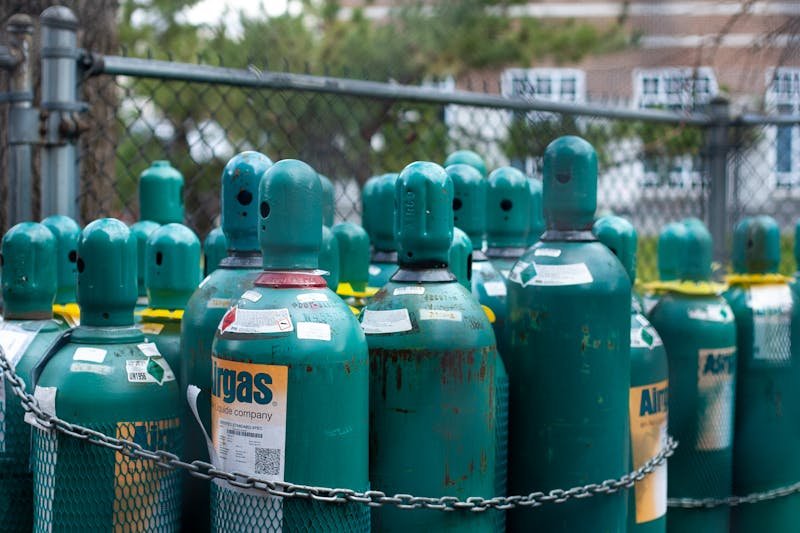
Gas cylinders are widely used in industries such as oil & gas, construction, manufacturing, hospitals, laboratories, welding workshops, and petrochemical plants. Improper handling of compressed gas cylinders can lead to serious accidents including fire, explosion, toxic exposure, suffocation, and high-pressure release incidents.
This comprehensive gas cylinder safety guide explains the correct practices for:
- Safe handling
- Proper labeling
- Safe storage
- Transportation procedures
- Cylinder securing methods
- Hazard identification
- Emergency response
- Workplace safety requirements
The information provided below follows internationally accepted industrial safety practices and workplace safety standards.
Why Gas Cylinder Safety is Important
Gas cylinder safety is essential to protect workers, equipment, facilities, and the environment.
Main Reasons for Gas Cylinder Safety
1. Prevents Fire and Explosion
Flammable gases can ignite and explode if handled improperly.
2. Prevents Asphyxiation
Inert gases can displace oxygen and create oxygen-deficient atmospheres.
3. Protects Workers and Property
Proper storage and handling reduce the risk of injuries and property damage.
4. Ensures Legal Compliance
Following safety regulations helps organizations comply with OSHA, HSE, ADNOC, and industrial safety standards.
Hazards Associated with Gas Cylinders
Gas cylinders contain compressed gases under high pressure, which can become extremely dangerous if damaged or mishandled.
Common Gas Cylinder Hazards
| Hazard | Description |
|---|---|
| Fire / Explosion | Flammable gases may ignite or explode |
| Asphyxiation | Inert gases can reduce oxygen levels |
| Toxic Exposure | Toxic gases may cause illness or death |
| High Pressure Release | Cylinder rupture or valve failure can cause severe injury |
| Cold Burns | Rapid gas release may cause frostbite |
Safe Handling of Gas Cylinders
Proper handling procedures significantly reduce workplace incidents involving gas cylinders.
Safe Handling Rules
Use Only Trained and Authorized Personnel
Only trained workers should handle compressed gas cylinders.
Select the Correct Cylinder
Always use the appropriate gas cylinder for the specific application.
Never Lift Cylinders by Valve or Cap
Lifting cylinders incorrectly can damage the valve and create a dangerous projectile hazard.
Use Cylinder Trolleys
Use approved cylinder trolleys or carts for moving cylinders safely.
Keep Cylinders Upright
Gas cylinders must always be stored and transported in an upright position.
Do Not Roll or Drag Cylinders
Never roll, drag, or slide cylinders manually.
Open Valves Slowly
Open cylinder valves gradually and stand away from the valve outlet.
Use Correct Regulators and Fittings
Use only approved regulators and fittings compatible with the gas type.
Check for Leaks
Leak testing should be conducted using soap solution or approved leak detection methods.
Never use a flame to check for leaks.
Keep Oil and Grease Away
Oil or grease must never come into contact with oxygen cylinders or fittings.
Close Valves After Use
Cylinder valves should be closed when not in use or when cylinders are empty.
Report Damaged Cylinders Immediately
Any damaged cylinder, faulty valve, or unsafe condition must be reported immediately.
Correct Labeling of Gas Cylinders
Proper labeling helps workers identify gas hazards and handling requirements.
Information Required on Cylinder Labels
| Label Requirement | Description |
|---|---|
| Gas Name | Full chemical name of the gas |
| Hazard Classification | Flammable, toxic, oxidizing, etc. |
| UN Number | United Nations identification number |
| Warning Statements | Hazard and danger information |
| Precautionary Statements | Safe handling instructions |
| Supplier Details | Manufacturer or supplier information |
| Test Date | Hydrostatic test date |
| Cylinder Status | Full or Empty identification |
Always Check Before Using a Gas Cylinder
Inspection Checklist
Before use, verify:
- Correct gas name
- Hazard information
- Cylinder condition
- Test date validity
- Valve protection cap
- Leak-free condition
Never Use Cylinders With
Unsafe Cylinder Conditions
Do not use cylinders with:
- Missing labels
- Damaged valves
- Corrosion
- Leaks
- Expired test dates
- Unreadable markings
Safe Securing of Gas Cylinders
Gas cylinders must be properly secured to prevent falling.
Correct Cylinder Securing Methods
Secure Single Cylinders
Use chains or straps at two points:
- Upper section
- Lower section
Use Proper Cylinder Racks
Store multiple cylinders in approved racks or cages.
Use Proper Storage Cages
Cylinder storage areas should be ventilated and secured.
Incorrect Practices to Avoid
Dangerous Cylinder Storage Practices
Never:
- Lean cylinders against walls
- Lay cylinders horizontally
- Secure cylinders at only one point
- Leave cylinders unsecured
A falling cylinder can break the valve and create a high-energy projectile.
Safe Transport of Gas Cylinders
Improper transportation is a major cause of cylinder damage and accidents.
Transport Within Workplace
Safe Workplace Transportation Rules
- Use approved cylinder trolleys
- Keep cylinders upright
- Secure cylinders with chains or straps
- Move one cylinder at a time
- Ensure clear travel pathways
- Fit valve protection caps before movement
Transporting Cylinders in Vehicles
Vehicle Transportation Requirements
- Use open or well-ventilated vehicles
- Secure cylinders upright
- Prevent cylinder movement
- Keep valve caps installed
- Avoid direct sunlight and excessive heat
- Never transport cylinders in passenger compartments
- Follow ADR and applicable transport regulations
Safe Use of Gas Cylinders During Operations
Best Practices During Use
Ensure Adequate Ventilation
Work areas must have sufficient ventilation to prevent gas accumulation.
Use Correct Regulators
Always use compatible regulators and fittings.
Check for Leaks Using Soap Solution
Never use open flames for leak detection.
Do Not Exceed Pressure Limits
Follow manufacturer-recommended operating pressures.
Keep Cylinders Away from Heat Sources
Keep cylinders away from:
- Sparks
- Open flames
- Hot surfaces
- Welding arcs
Wear Appropriate PPE
Use suitable personal protective equipment based on risk assessment.
Secure Cylinders During Use
Cylinders must remain secured at all times.
Never Use Cylinders as Rollers or Supports
Gas cylinders must never be used for unauthorized purposes.
Close Valves After Use
Always close the valve after operation or when the cylinder is empty.
Maintain Good Housekeeping
Keep work areas clean, dry, and obstruction-free.
Emergency Response for Gas Cylinder Incidents
Fast emergency response can prevent severe accidents and injuries.
Gas Leak Emergency Response
Actions During Gas Leak
- Evacuate the area
- Ventilate the area
- Eliminate ignition sources
- Inform supervisors
- Seek emergency assistance
Fire Emergency Response
Actions During Cylinder Fire
- Do not move heated cylinders
- Evacuate and isolate the area
- Cool cylinders using water spray from a safe distance
- Do not extinguish flame unless gas supply can be isolated safely
First Aid Measures
First Aid Response
- Follow first aid procedures
- Seek medical attention immediately
- Provide Safety Data Sheet (SDS) information to medical personnel
Good Practices for Gas Cylinder Safety
Recommended Workplace Practices
- Maintain cylinder inventory records
- Conduct periodic inspections
- Ensure proper signage
- Maintain housekeeping standards
- Train all workers on cylinder safety
- Maintain inspection and test records
Consequences of Poor Gas Cylinder Safety
Neglecting gas cylinder safety can lead to:
- Fire and explosion
- Fatal injuries
- Equipment damage
- Production downtime
- Legal penalties
- Environmental damage
Gas Cylinder Safety Tips for Workplaces
Essential Safety Rules
- Always secure cylinders upright
- Use proper regulators
- Keep cylinders away from heat
- Inspect cylinders before use
- Never tamper with labels
- Use proper PPE
- Store incompatible gases separately
- Keep oxygen away from oil and grease
- Follow permit-to-work procedures
- Ensure emergency preparedness
Common Industries Using Gas Cylinders
Gas cylinders are commonly used in:
- Oil and Gas Industry
- ADNOC Projects
- Petrochemical Plants
- Welding Workshops
- Hospitals
- Laboratories
- Construction Sites
- Manufacturing Plants
- Refineries
- Offshore Facilities
OSHA and Industrial Safety Recommendations
Key Safety Requirements
Organizations should ensure:
- Proper training
- Risk assessment
- Routine inspection
- Safe storage areas
- Proper ventilation
- Emergency response planning
- Compliance with local regulations
Conclusion
Gas cylinder safety is a critical part of workplace safety management in industrial operations. Proper handling, storage, transportation, inspection, and emergency preparedness can significantly reduce accidents and injuries associated with compressed gases.
Employers and workers must ensure that gas cylinders are used only by trained personnel and that all safety procedures are strictly followed at all times.
Implementing these gas cylinder safety practices helps create a safer workplace, protects assets, and ensures compliance with industrial safety standards.
Frequently Asked Questions (FAQs)
Why should gas cylinders be stored upright?
Upright storage prevents valve damage and reduces the risk of gas leakage.
Can gas cylinders be transported lying down?
No. Gas cylinders should always be transported upright and secured.
How should gas leaks be checked?
Leaks should be checked using soap solution or approved leak detection methods.
Why should oxygen cylinders be kept free from oil and grease?
Oil and grease can react violently with oxygen and cause fire or explosion.
What color tag indicates an unsafe cylinder condition?
Red warning identification or damage markings indicate unsafe conditions requiring immediate action.
Suggested WordPress Tags
, , hse, compressed-gas, fire-safety, workplace-safety, oxygen-cylinder, cylinder-storage, cylinder-handling, gas-safety, oil-and-gas, welding-safety, emergency-response, industrial-training, safety-procedures, cylinder-transport, hazard-control, safety-awareness, gas-cylinder-inspection, occupational-safety
About The Author